There is always something better... , (2024)

Accessible Curation featuring Sonali Menezes, Harmeet Rehal and moira williams curated by Salima Punjani at Tangled Art + Disability

ASL / English: https://tangledarts.org/better

LSQ / French : https://tangledarts.org/better-french-version

In Braiding Sweetgrass Potawatomi botanist and author Robin Wall Kimmerer presents contentment as a radical act in a world that constantly pushes us to want more. She writes, “In a consumer society, contentment is a radical proposition. Recognizing abundance rather than scarcity undermines an economy that thrives by creating unmet desires” (Kimmerer, 2013).

This exhibition asks what it means to be content when constantly barraged with unsolicited advice and advertisements promising optimization and perfection. What would happen if space opened up to hold the messiness, discomfort and unease of being human? What would it take to accept that things don’t always need to be better?

Curated by Salima Punjani, there is always something better features the work of three artists who responded to the question - What does it mean to be content? Their works serve as a powerful counterpoint to the wellness industry’s promise of quick fixes and constant upgrades.

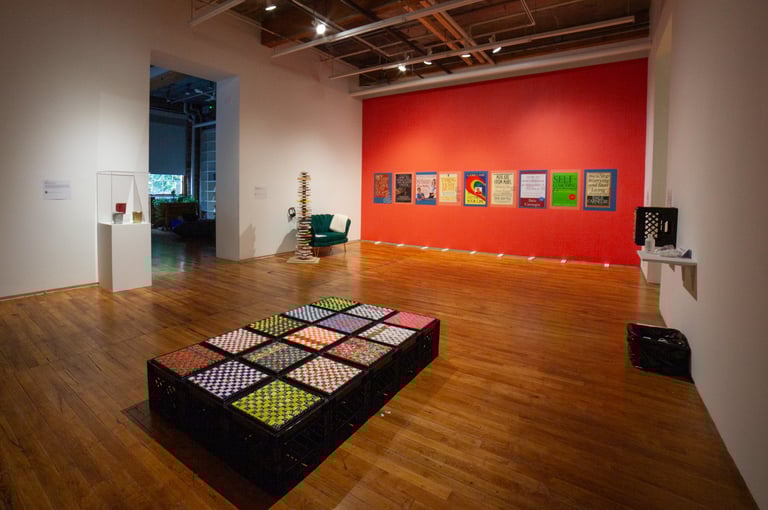
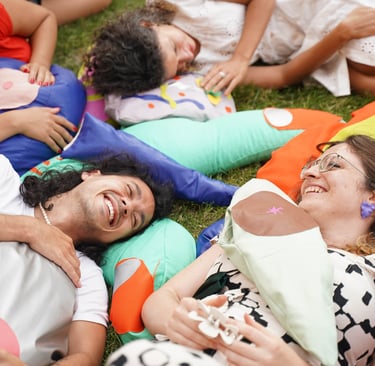
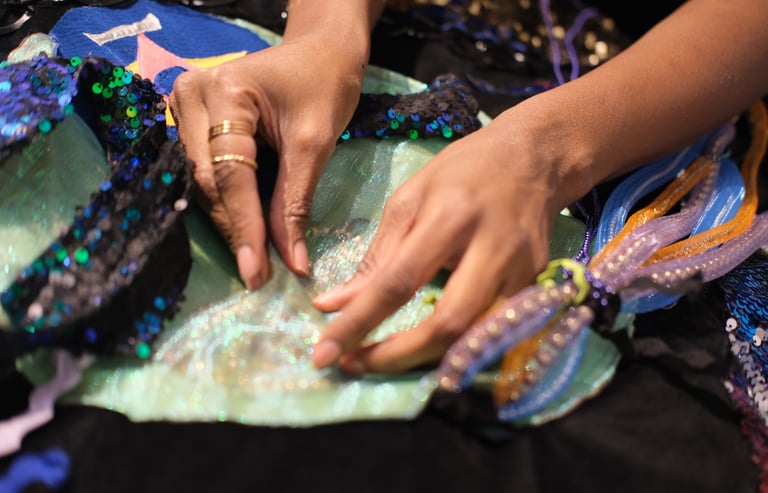
Harmeet Rehal’s ਮੰਜਾ/Manja (Panjabi daybed), honours the often overlooked need for rest among undervalued disabled, racialized, working-class individuals doing what’s thought of as “unskilled” labour. Rehal colorfully transforms milk crates with Panjabi textiles, objects used to transport consumer goods, to hold space for individual and collective relief. These pieces symbolize resistance against a system that values productivity above all else, reminding us of the radical possibilities in imagining space for rest in the most necessary and unlikely spaces.

In At My Lowest (best worst books only), Sonali Menezes repurposes old self-help books in her sculpture and prints, critiquing the very industry that claims to have all the answers. By transforming these texts, she exposes the hollow promises and one-size-fits-all solutions often peddled by the wellness complex. I can’t afford therapy, but I wash my ass, questions expensive self-care rituals and gadgets, shining light on the power in simple actions of care.

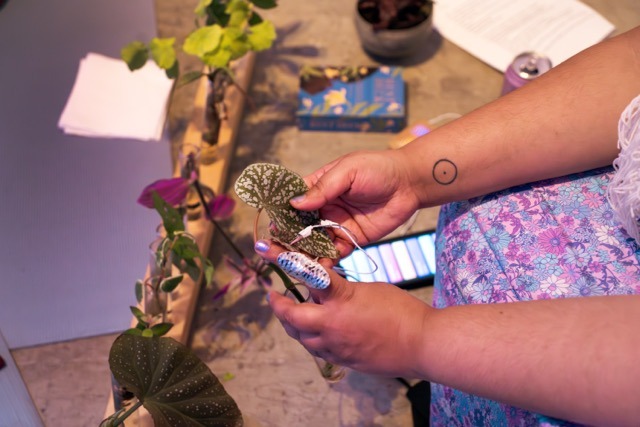
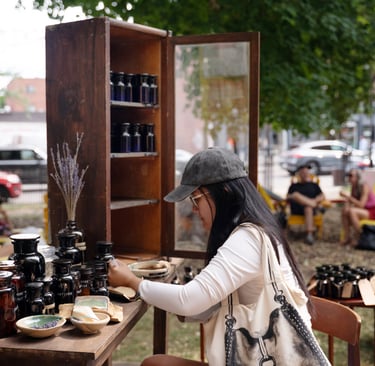
moira williams turns to nature, co-creating with wetlands, plants and natural materials in their ancestral Lenapehoking to think about accumulation as a form of interdependence. Their work challenges the individualistic narrative of self-improvement, suggesting that true well-being lies in our relationships to each other and the natural world.

Together, these artists invite us to reconsider our impulse to find improvement through consumption. They ask: In a world that constantly tells us we’re not enough, can we take comfort in what already exists? Can we resist the urge to constantly “fix” ourselves and instead embrace the inherent worth of our interdependence and imperfections?​​

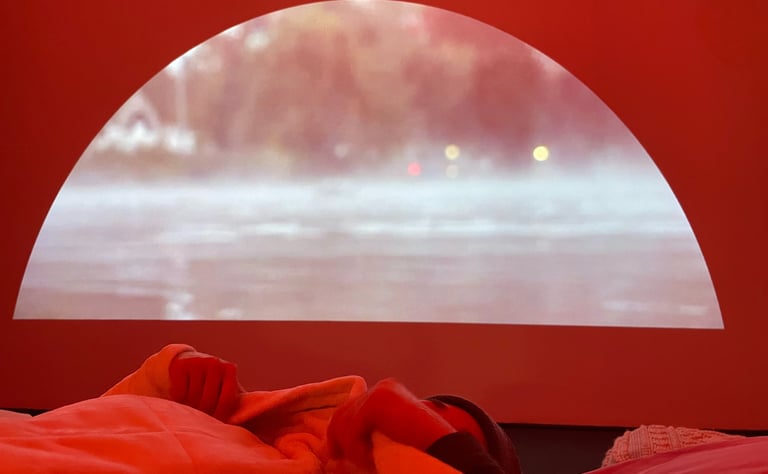
A red and pink image says “there's always something better”.
Masked woman with long black hair uses a tactile screen made of invasive grass and natural objects.
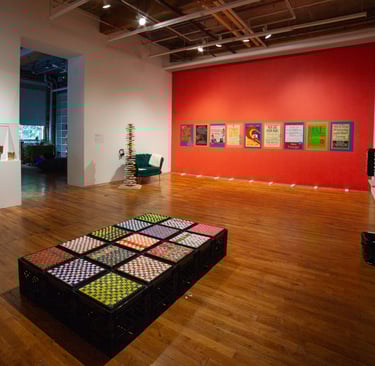
Exhibition wide angle view of different sensory objects including milk crates and touchable posters.
Woman on milk crates touching colorful Punjabi textiles arranged around her.

Subscribe to my newsletter

You can expect infrequent updates and invitations.